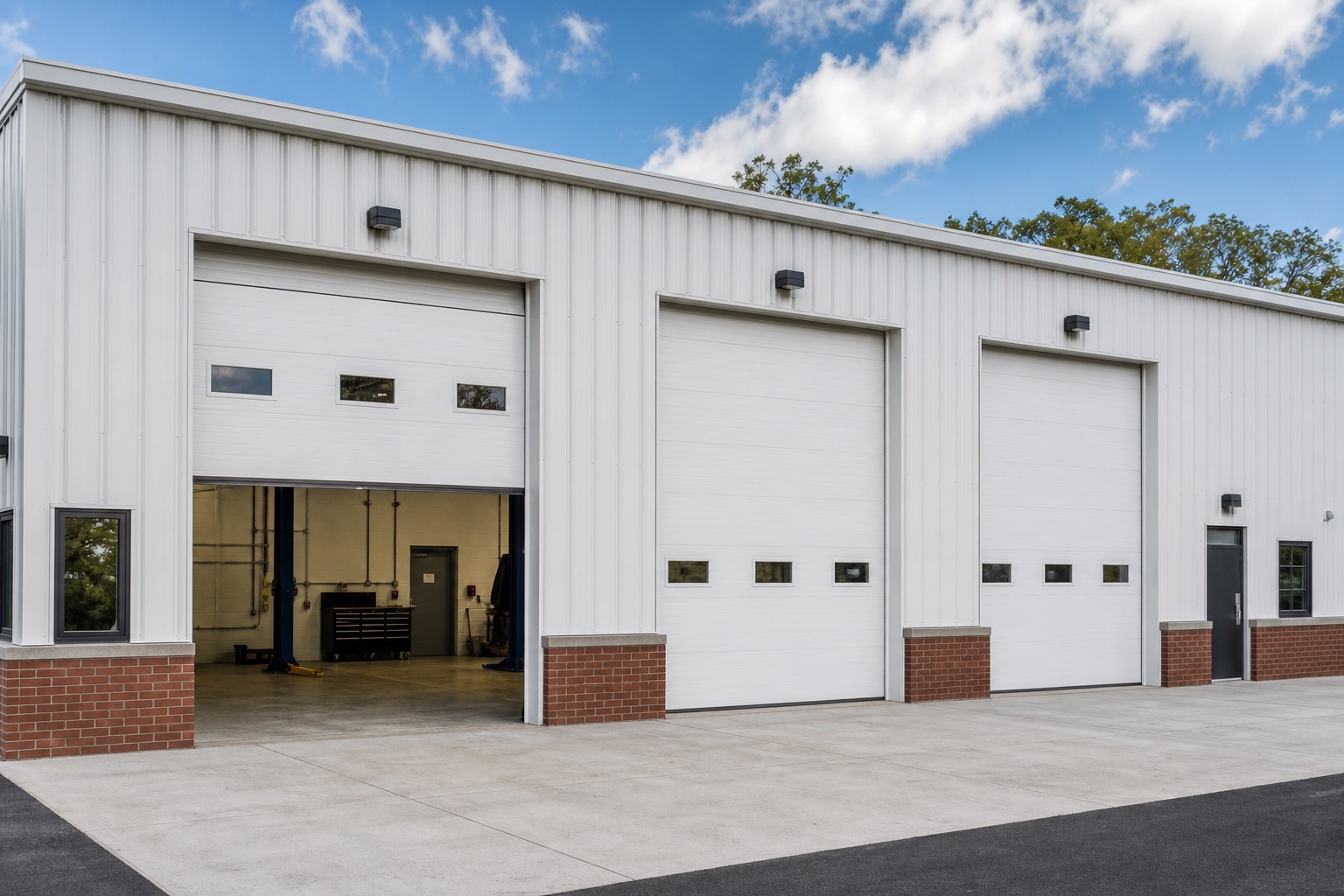
Sectional overhead
Insulated and non-insulated steel systems for service bays, warehouses, municipal buildings, shared garages, and other daily-use openings.
White, light gray, painted steel · vision sectionsCommercial access · Greater Boston
Commercial garage door installation, repair, operator service, safety-device review, and preventive maintenance programs across Greater Boston—planned around traffic, security, access, and business continuity.
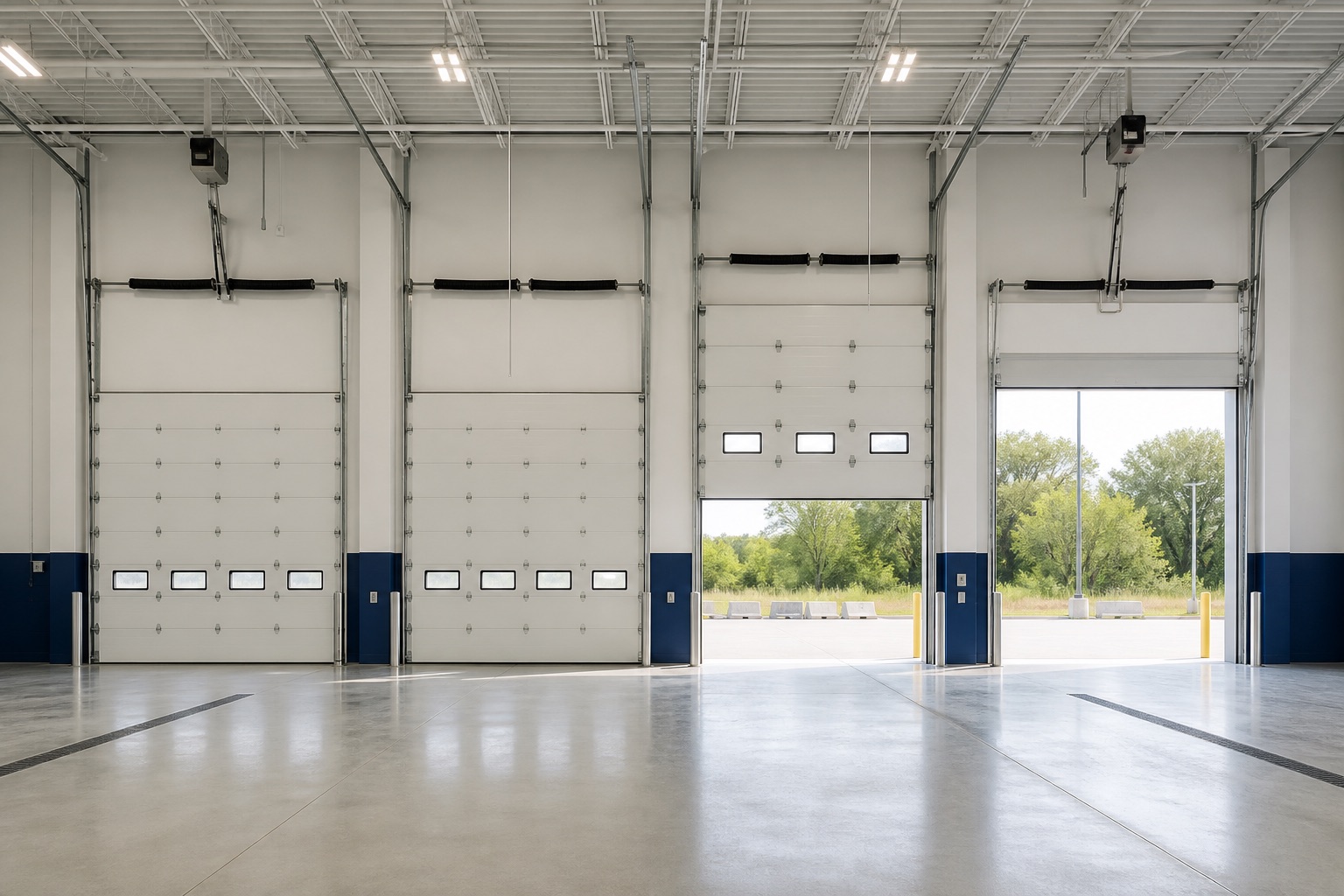
Operations first
A commercial door is not an isolated panel. It is an operating asset connected to traffic, security, safety devices, power, structure, weather, employees, tenants, and the continuity of the business.
Door systems
The right product family depends on opening geometry, duty, environment, visibility, security, speed, clearances, controls, and applicable project requirements—not a catalog photo alone.
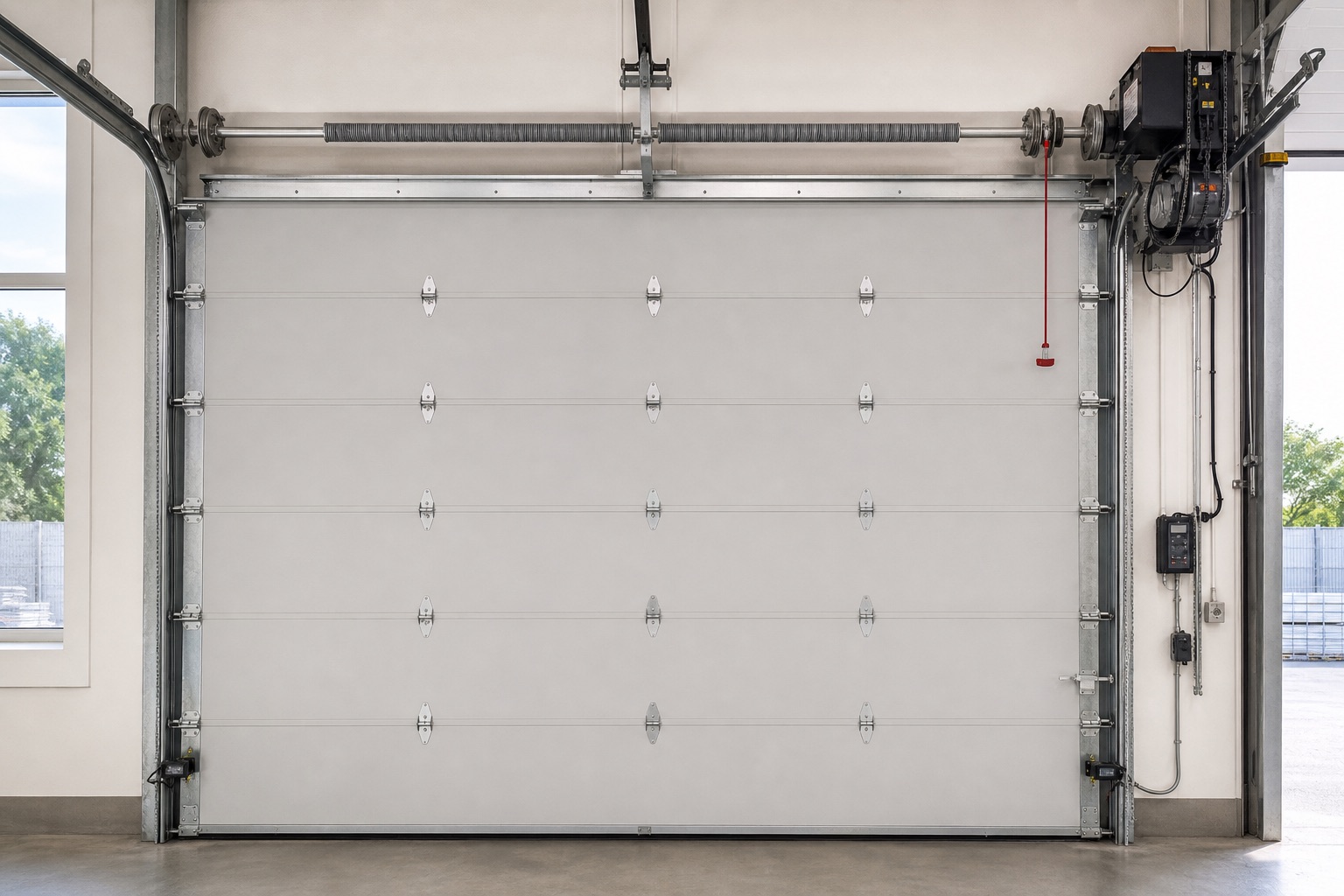
Insulated and non-insulated steel systems for service bays, warehouses, municipal buildings, shared garages, and other daily-use openings.
White, light gray, painted steel · vision sections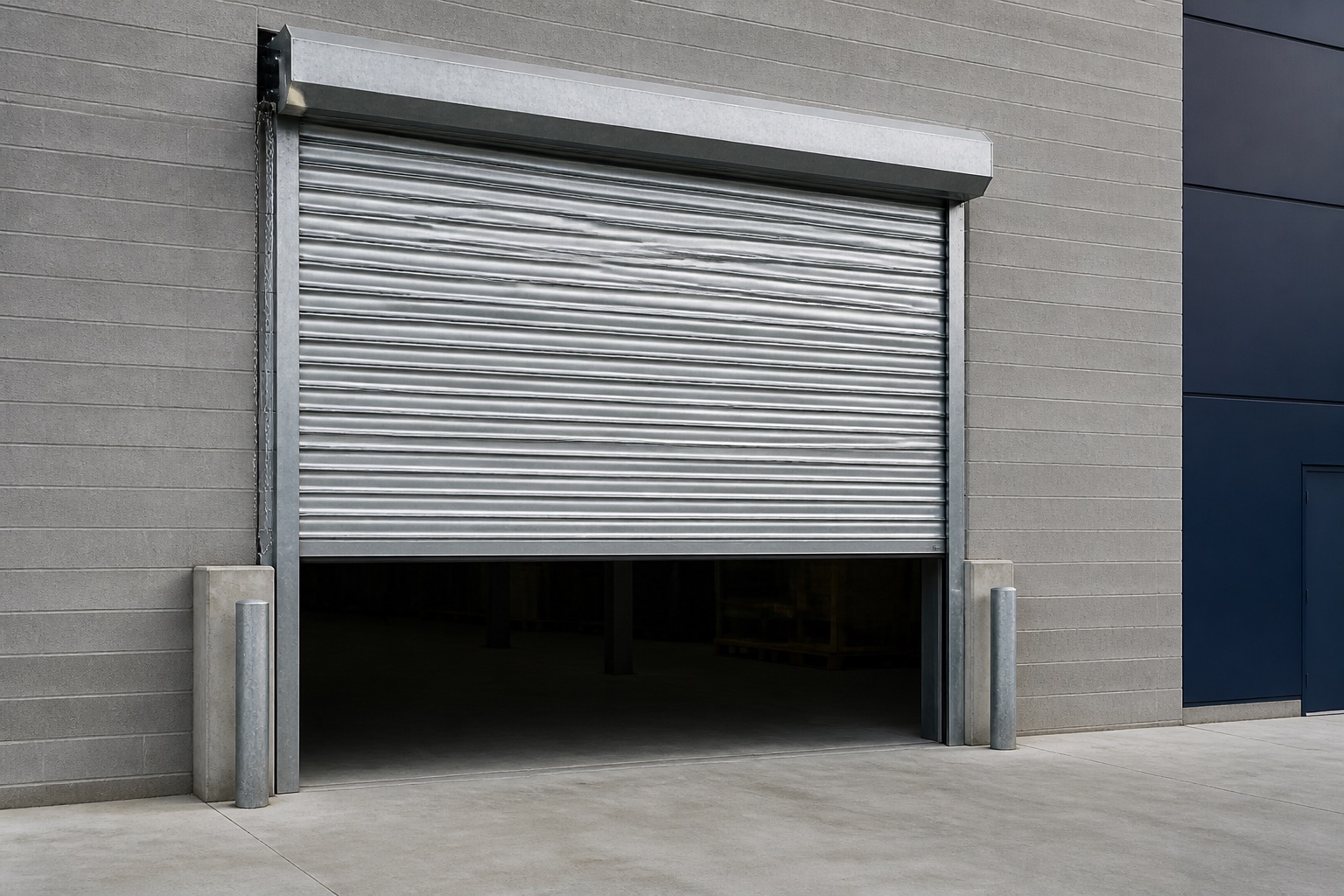
Compact coiling systems for openings where durability, security, and clear interior space are central to the operating plan.
Galvanized, stainless, painted · compact coil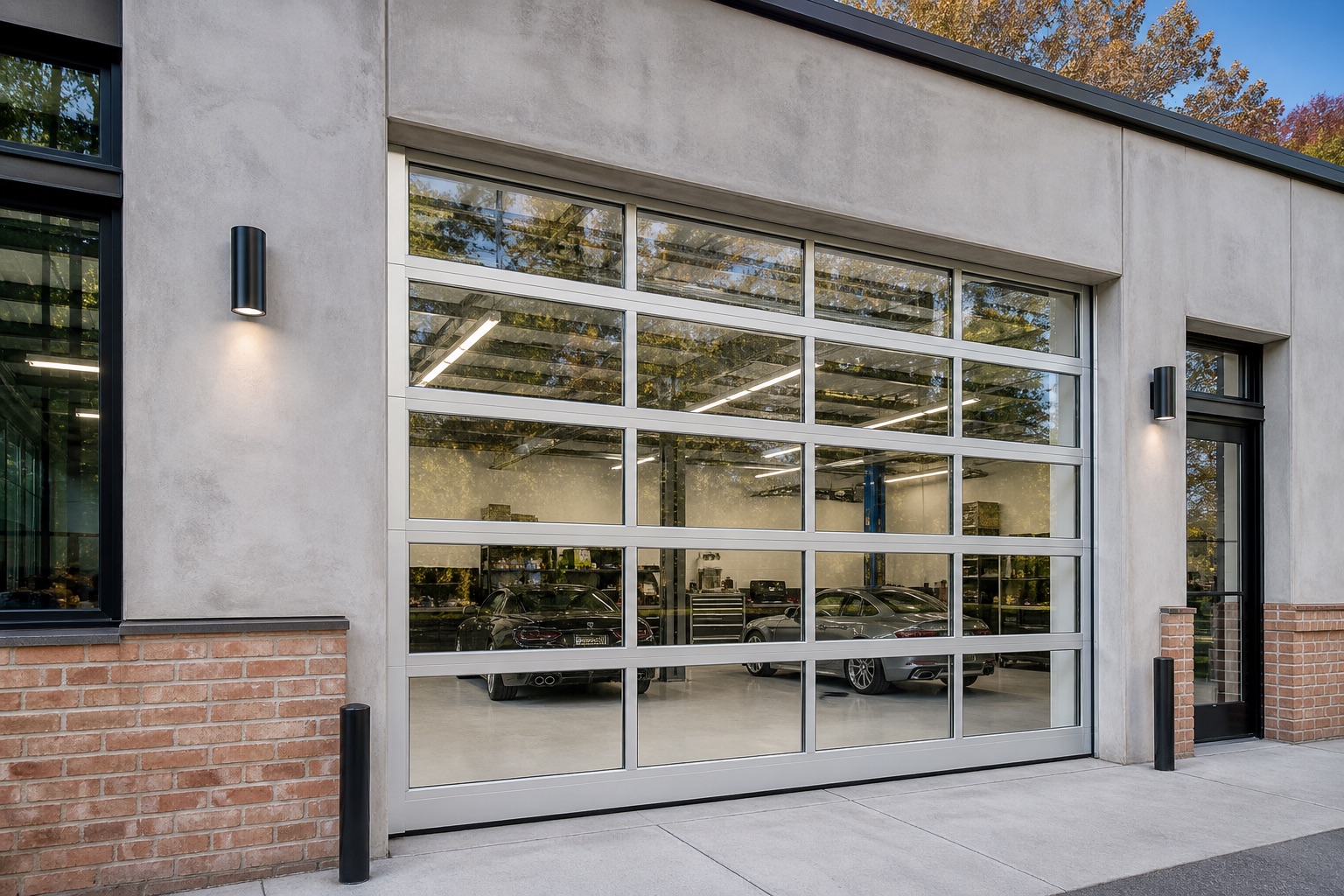
Glazed commercial doors that support daylight, visibility, and a customer-facing architectural presentation.
Clear anodized, dark bronze, painted · glass options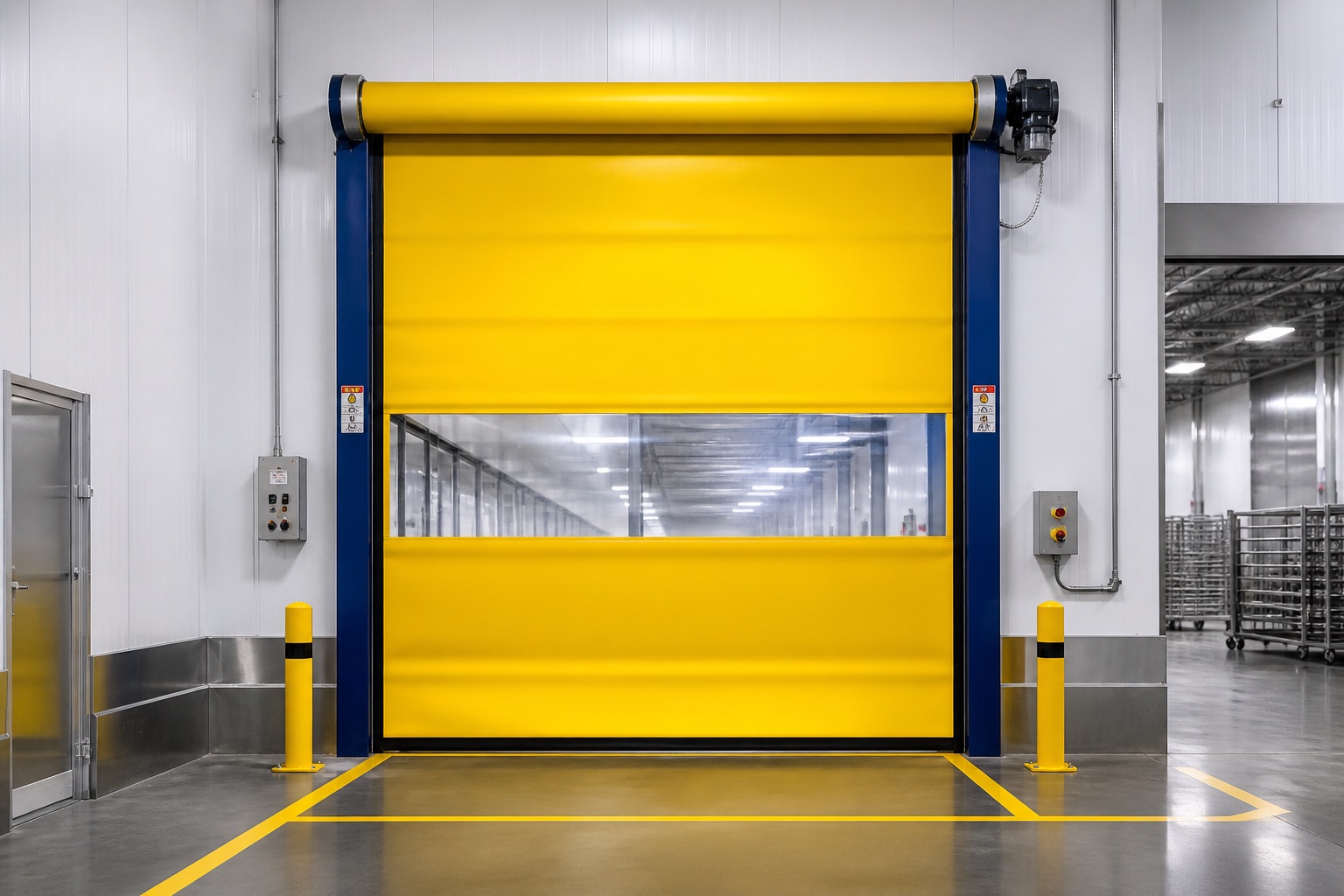
Application-led systems considered around traffic flow, exposure, environment, opening size, operating speed, and recovery needs.
Safety colors · vision bands · specialty operationsRepair + service scope
We diagnose the complete operating path before separating the immediate repair from deferred priorities, modernization opportunities, and the maintenance plan.
Springs, shafts, drums, bearings, anchors, and the forces required to move the actual door are reviewed as one system.
Lift cables, drums, attachment points, alignment, and visible wear are checked before repair recommendations are authorized.
Track, guides, brackets, fasteners, clearances, impact, and movement are inspected for the specific door configuration.
Sections, slats, glazing, end locks, hinges, rollers, and weather interfaces are assessed for damage and serviceability.
Motor, drive, limits, brakes, hoist, controls, power, and duty requirements are diagnosed alongside door balance and resistance.
Wall stations, remotes, key controls, compatible access interfaces, interlocks, and operating permissions are reviewed around site use.
Photo eyes, monitored edges, reversal behavior, warning devices, guards, release procedures, and clear operating zones are verified as applicable.
Bottom, side, and header seals are reviewed around water, air, pest, light, temperature, and threshold conditions.
Operators + controls
Operator and control selection begins with the balanced door and its real duty. We coordinate mounting, drive type, voltage, controls, compatible access inputs, monitored safety devices, emergency operation, and service access.
Jackshaft, trolley, hoist, gearhead, or application-specific operation is evaluated around the actual door and mounting conditions.
Wall stations, remotes, key controls, vehicle inputs, and compatible building access interfaces are scoped around approved users and sequence.
Entrapment protection, warning devices, controls, guards, clear zones, and operating behavior are confirmed for the system and application.
Manual operation, power loss, lockout, service access, failure response, and the effect of a closed or open door are documented.
Duty-cycle planning
A low-cycle warehouse opening, a busy service department, and a shared parking entrance place very different demands on the door, operator, controls, and maintenance rhythm.
Daily cycles, vehicle mix, peak periods, queuing, pedestrians, and the cost of a blocked opening shape the system.
Wind, water, temperature, salt, dust, washdown, interior pressure, and coastal or winter exposure affect materials and seals.
Visibility, access permissions, closing behavior, controls, monitoring, and after-hours procedures are planned together.
Redundancy, manual operation, service access, parts strategy, door inventory, and repair windows help reduce avoidable downtime.
Preventive maintenance programs
Commercial care is quoted around the real asset list, door type, condition, use, environment, access, and service cadence. The right program creates useful records—not empty recurring visits.
A recurring inspection and tune-up plan for one or more commercial openings, with cadence based on system, use, condition, and environment.
A closer preventive rhythm for higher-use sites or door systems where an unexpected outage has a larger operating impact.
A coordinated program for multiple openings, locations, managed properties, associations, or operating teams.
Commercial project delivery
Repair, modernization, replacement, and multi-door programs are sequenced around safety, access, tenant communication, business continuity, and the real constraints of the site.
Document openings, systems, operators, controls, power, safety devices, traffic, structure, utilities, clearances, and access.
Separate immediate safety or continuity issues from planned repair, modernization, replacement, and future maintenance.
Confirm compatible products, duty, controls, attachment, electrical needs, protection, approvals, and operating sequence.
Plan shutdowns, deliveries, lifts, work zones, tenants, vehicles, weather, security, and adjacent trades around the operation.
Test movement and applicable safety functions, document settings and conditions, clean the area, and hand off the operating plan.
Commercial intake
Share the facility, opening count, known system, current need, and preferred service window. We will use the brief to prepare the right first conversation and site review.
We assess sectional overhead, rolling steel, full-view aluminum, and selected high-speed or specialty systems. Final serviceability depends on the manufacturer, configuration, condition, parts, ratings, controls, and site requirements.
We plan access, shutdown, vehicle movement, tenants, security, work zones, equipment, and the safest practical service window with the site contact. Some repairs still require the opening to remain secured and unavailable.
Yes, after confirming door balance, resistance, duty, mounting, power, controls, monitored safety devices, manual operation, and compatibility with the selected operator system.
Yes. Shared access requires careful coordination of traffic, residents, controls, security, operating hours, door cycles, and property communication before service or replacement begins.
Yes. Scheduled, priority-operations, and multi-property programs are quoted around the door inventory, system types, condition, use, environment, access, and approved service cadence.
No. A one-door service bay and a high-cycle multi-opening property require different scopes. We confirm the asset list and operating conditions before presenting a clear program proposal.
No. Preventive service can identify changing conditions and create a documented maintenance rhythm, but it cannot eliminate wear, impact, misuse, power issues, weather, component failure, or every interruption.
Compatible interfaces may be coordinated with the door controls and the property’s qualified access-control or electrical provider. The exact sequence, responsibilities, power, monitoring, and safety behavior must be approved before connection.
Those systems may require manufacturer-specific procedures, qualified inspection or testing, documentation, and additional coordination. We verify the exact product and governing requirements before accepting or defining the scope.
Share the property address, facility type, door count, photos, labels where safely accessible, current door position, symptoms, access restrictions, operating hours, site contact, and any known safety or security concerns.
Commercial garage doors · New England
Share opening dimensions, door type, operating frequency, and the issue or upgrade goal. We’ll coordinate the next technical step around your operation.