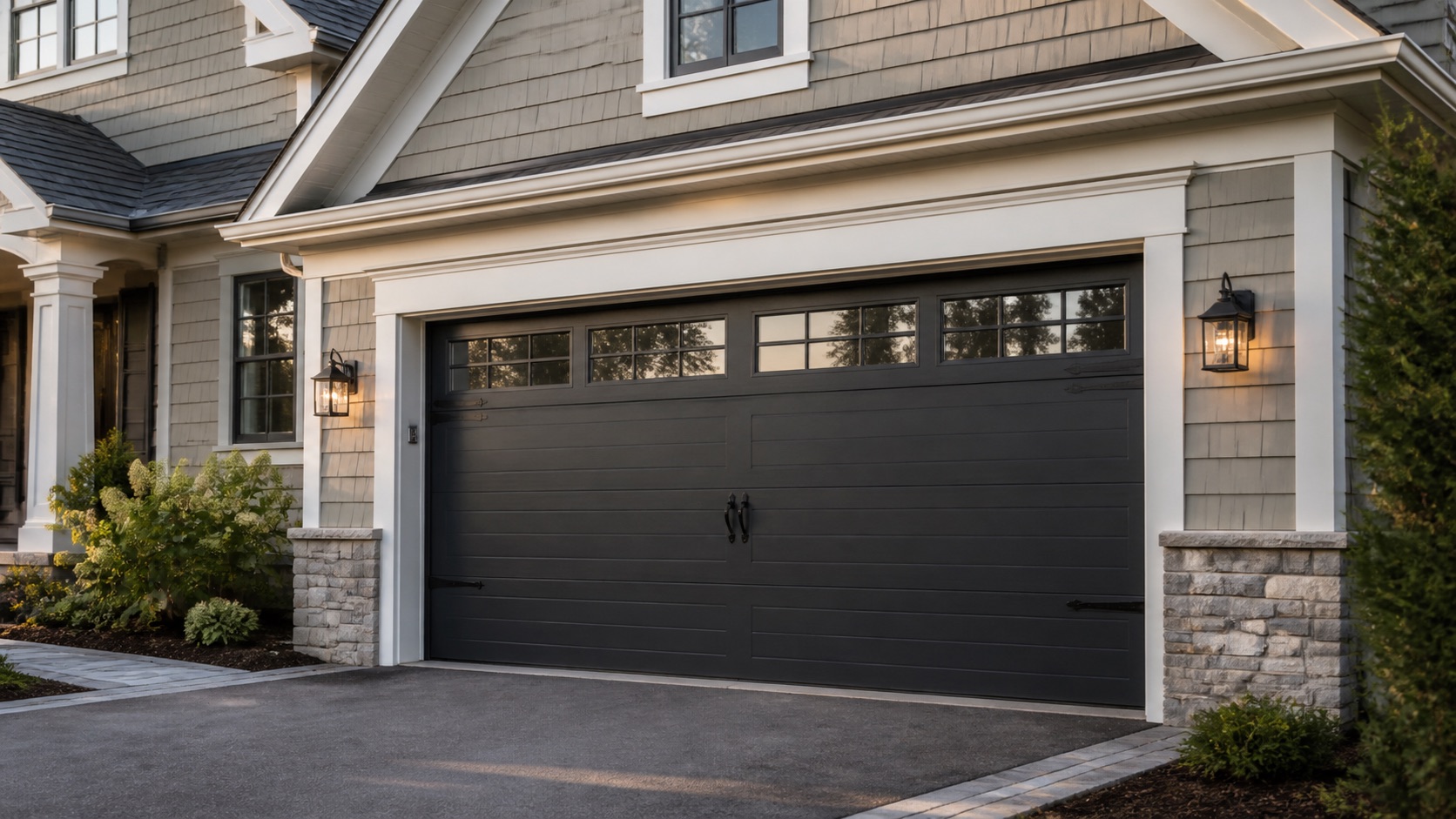
What to remember
- Observe movement, sound, balance, seals, and safety behavior before cold weather.
- Stop operation when a cable, spring, track, or panel appears unsafe.
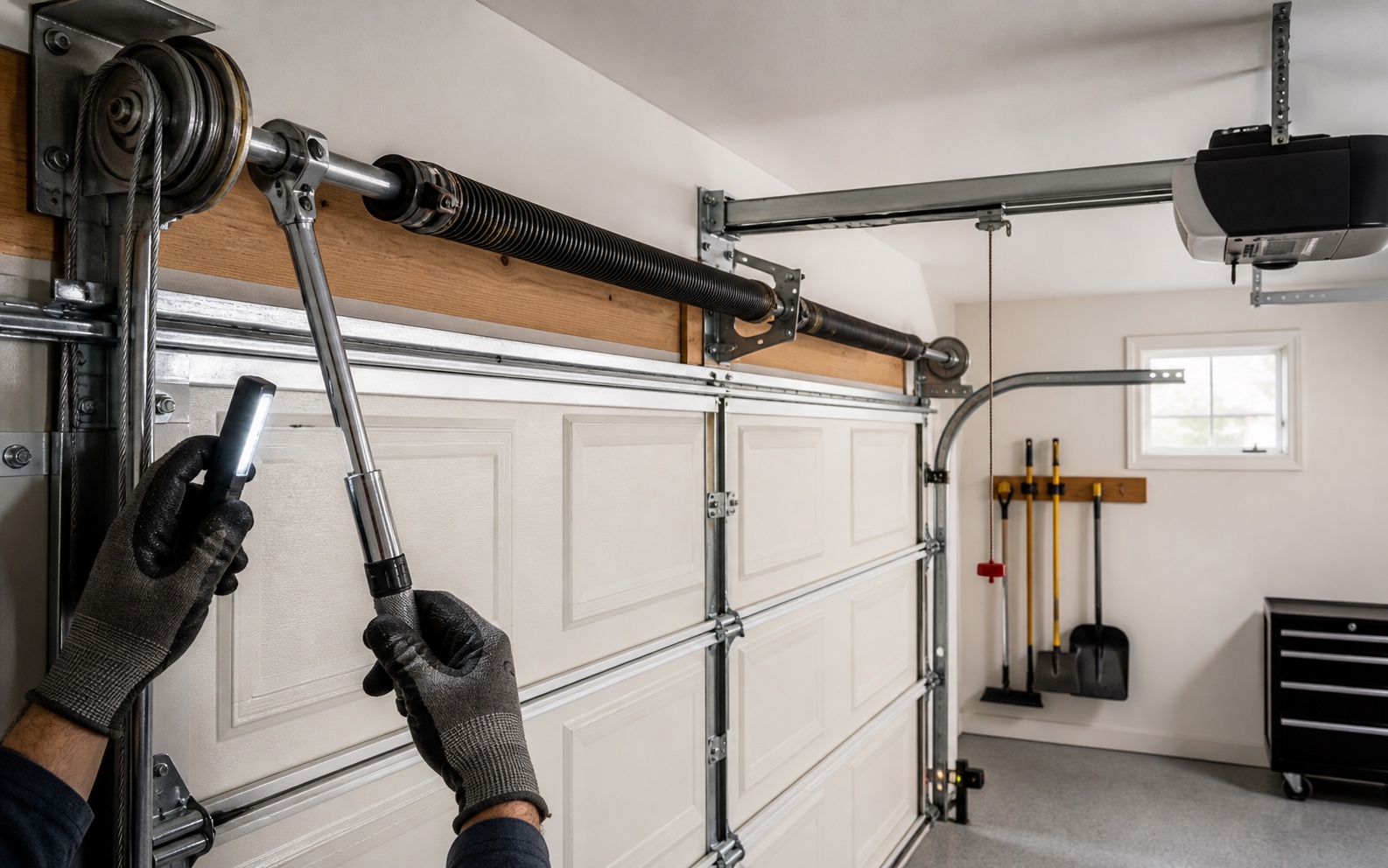
- Do not adjust high-tension components yourself.
- Document small changes before they become emergency failures.
Why winter exposes small problems
Cold temperatures, moisture, ice, road salt, changing seals, and daily cycling can reveal developing problems in the door, hardware, opener, and perimeter envelope.
A readiness review is not about applying lubricant everywhere. It is a system check focused on safe movement, changing condition, and components that need professional attention.
- New grinding, popping, scraping, or strain
- Uneven or jerky travel
- Gaps at the floor or perimeter
- Slow response or intermittent controls
- Corrosion, impact, or visible hardware changes
Observe the complete operating system
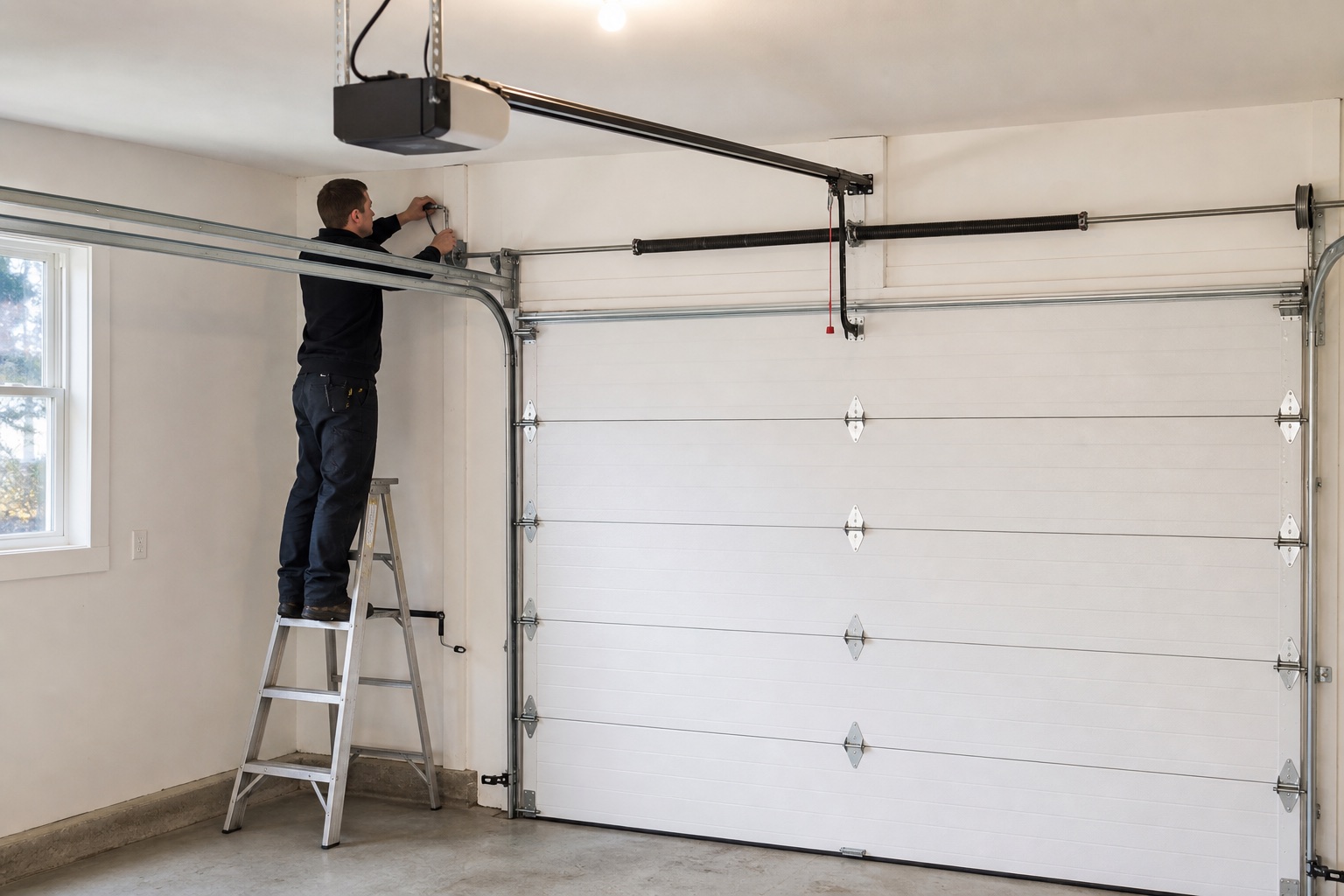
Watch the door through a normal open and close cycle from a safe position. Note changes in speed, alignment, panel movement, vibration, noise, and where the bottom seal meets the floor.
The opener should not be treated as the component responsible for lifting an unbalanced door. Balance, springs, cables, rollers, hinges, tracks, controls, photo eyes, reversal behavior, and emergency release all work together.
Weather seals and the garage envelope
Bottom and perimeter seals can become stiff, torn, displaced, or poorly matched to the opening. Gaps may allow wind, water, snow, pests, and debris to enter.
A seal cannot correct a severely uneven slab, damaged panel, misaligned door, or water path outside the garage. Review drainage and the driveway transition at the same time.
Keep safety devices visible and clear
Photo eyes should remain correctly positioned, clean, and free from stored objects. The door path, tracks, opener rail, emergency release, and wall controls need clear access.
Use only the manufacturer-recommended homeowner tests for your system. If reversal behavior changes or a test does not perform as expected, stop and arrange professional service.
- Do not bypass safety devices
- Do not store items against tracks or sensors
- Do not let extension cords or racks cross the travel path
- Keep remotes and exterior access secure
When to stop using the door
Stop operation when a cable is loose or damaged, a spring appears broken, the door is off-track, a panel is severely compromised, hardware is pulling away, or movement is uncontrolled.
A preventive visit is most useful before failure. A documented annual inspection can establish condition history and help separate immediate safety priorities from longer-term maintenance.
Questions homeowners ask
Quick answers.
How often should a garage door be professionally serviced?+
Usage, environment, system design, age, and condition vary. An annual preventive review is a practical starting point for many residential doors.
Can I replace a garage door spring myself?+
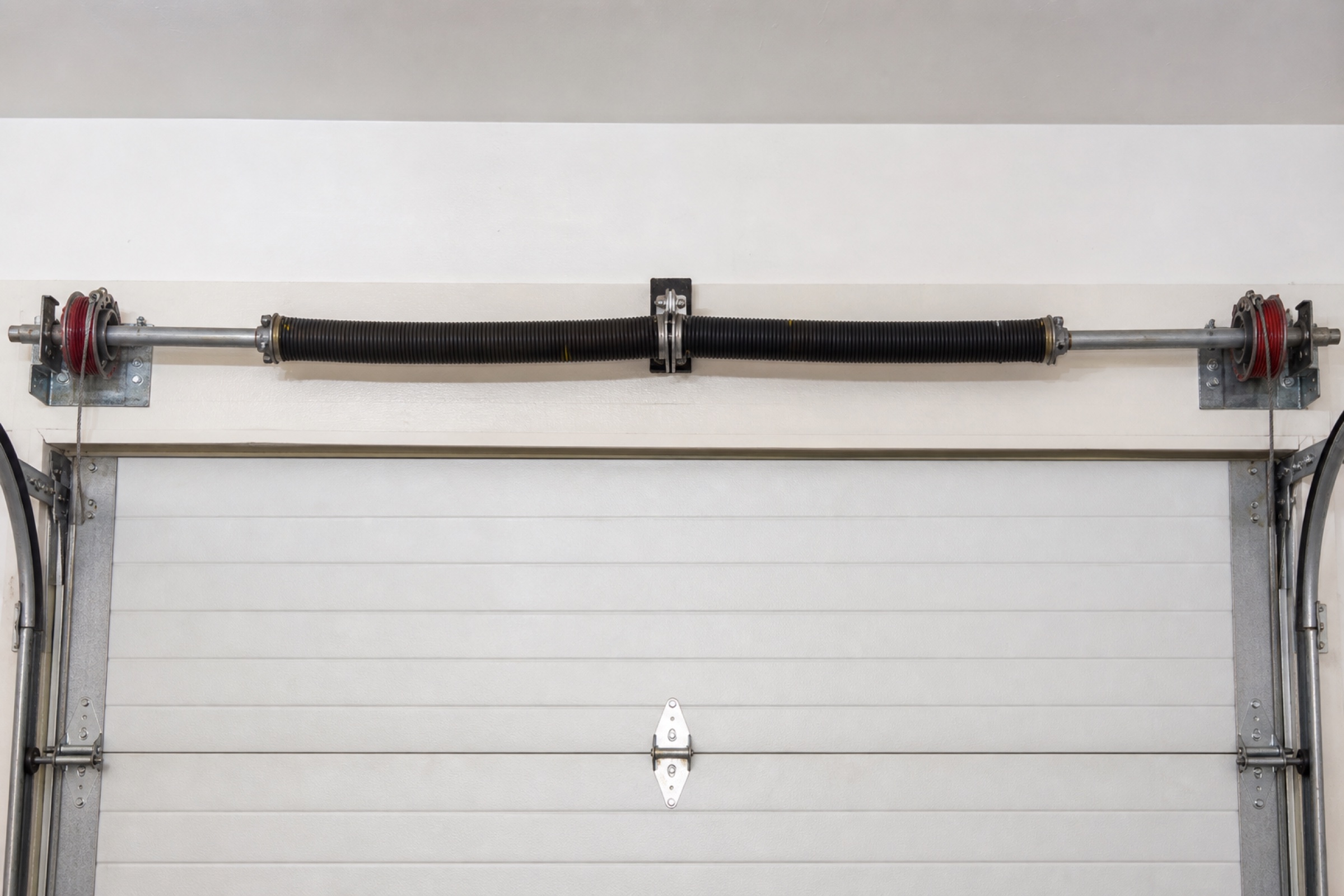
No. Springs and cables store dangerous energy and should be handled only by trained professionals with the correct components and tools.
Why does my door become louder in cold weather?+
Temperature can expose changes in lubrication, rollers, hinges, balance, seals, alignment, and opener strain. A system inspection is better than guessing.
Join the discussion.
Ask a garage-planning question or share what you learned. Comments are reviewed before publication.
No published comments yet. Start the conversation.